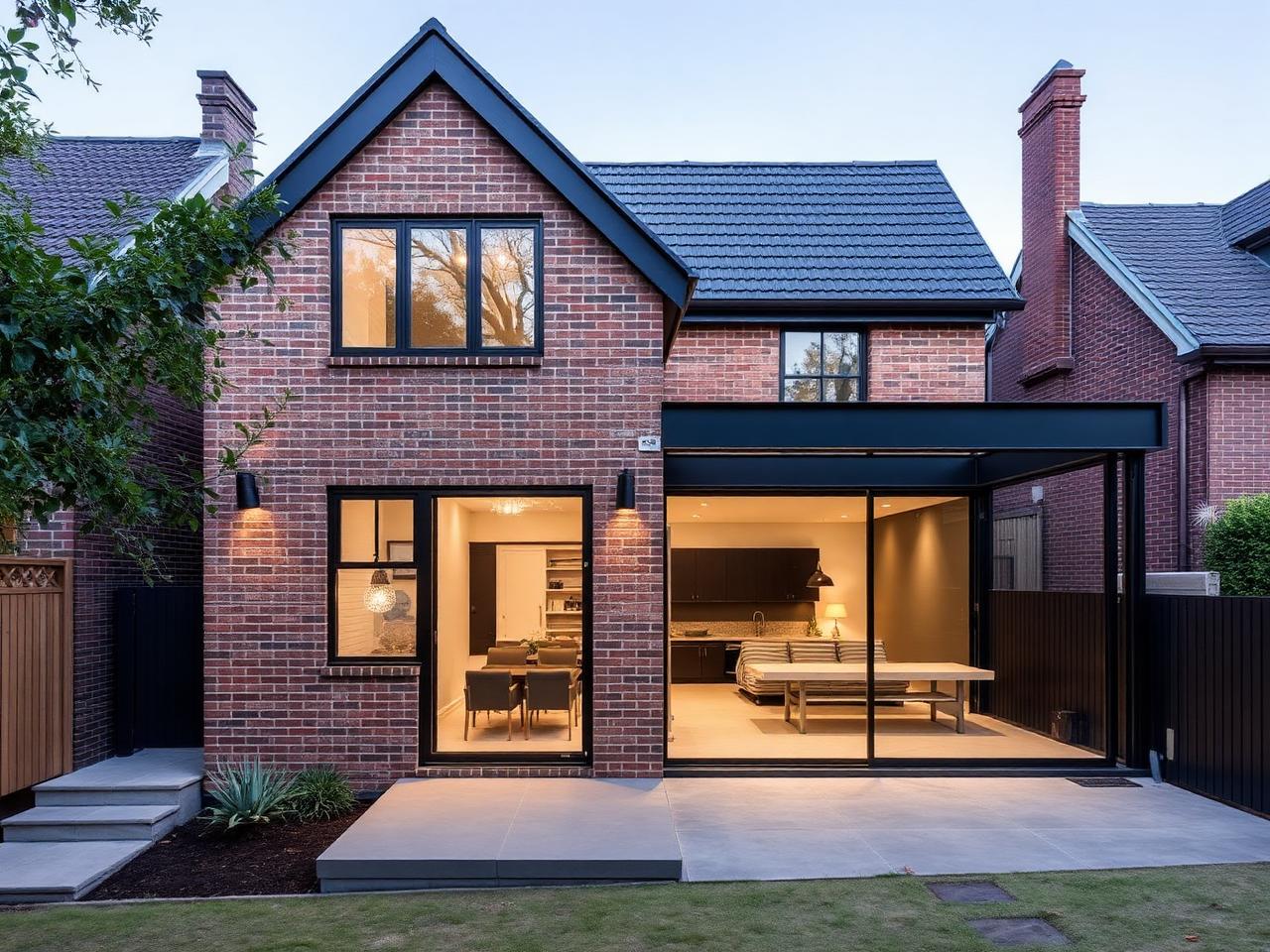
The structural question first
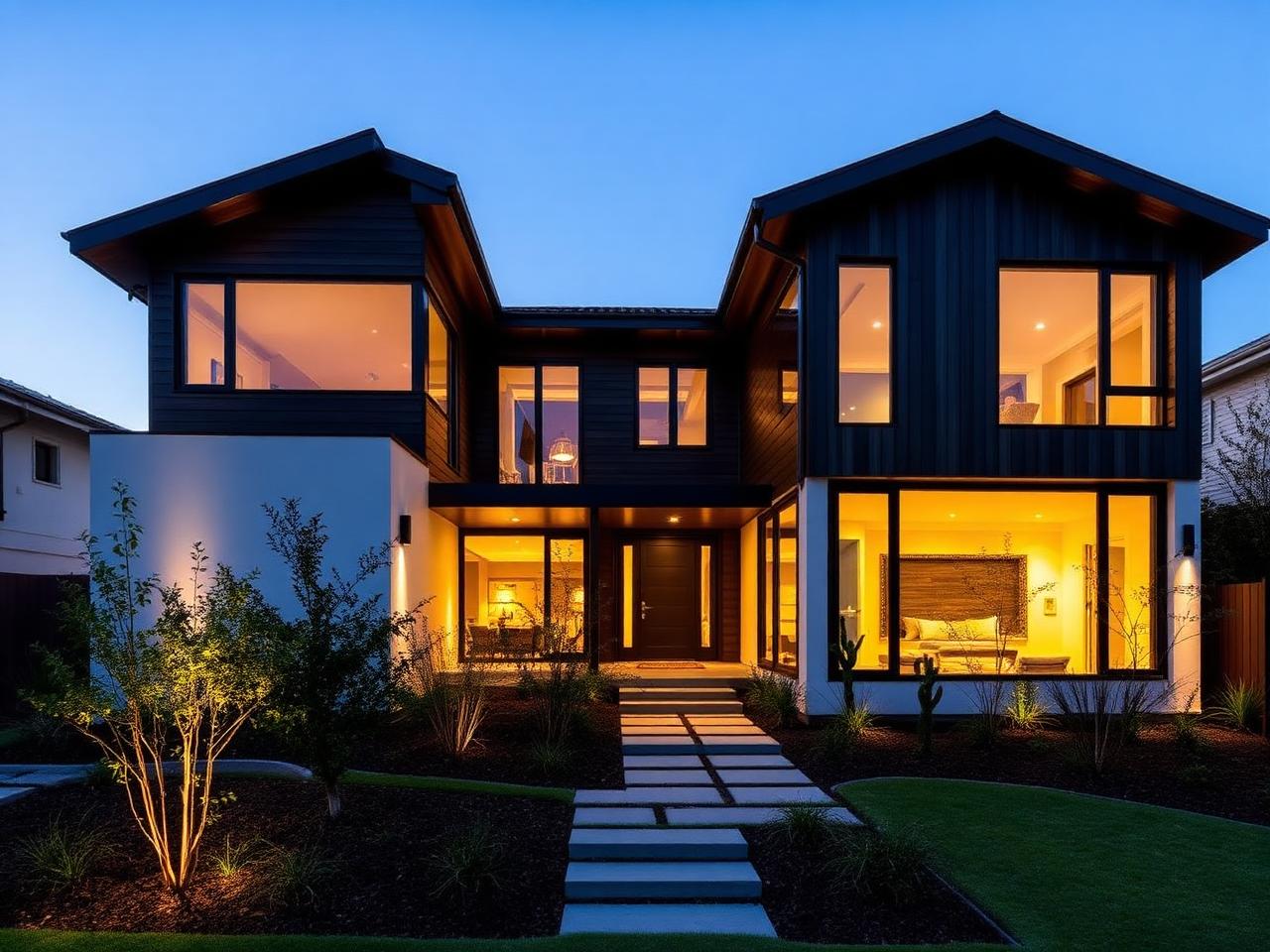
Not every Sydney home can take a second storey without underpinning the existing footings. Older brick veneer and slab-on-ground homes often need significant structural reinforcement. We engineer this honestly before quoting. See how on our extensions page.
Cost reality
Rear ground-floor extensions: $4,200–$5,800 per m² for finished quality. Second-storey additions: $4,800–$6,500 per m² (the temporary roof and structural connection always add cost). A 60m² rear is usually cheaper than a 60m² upper level.
Light, view and lifestyle
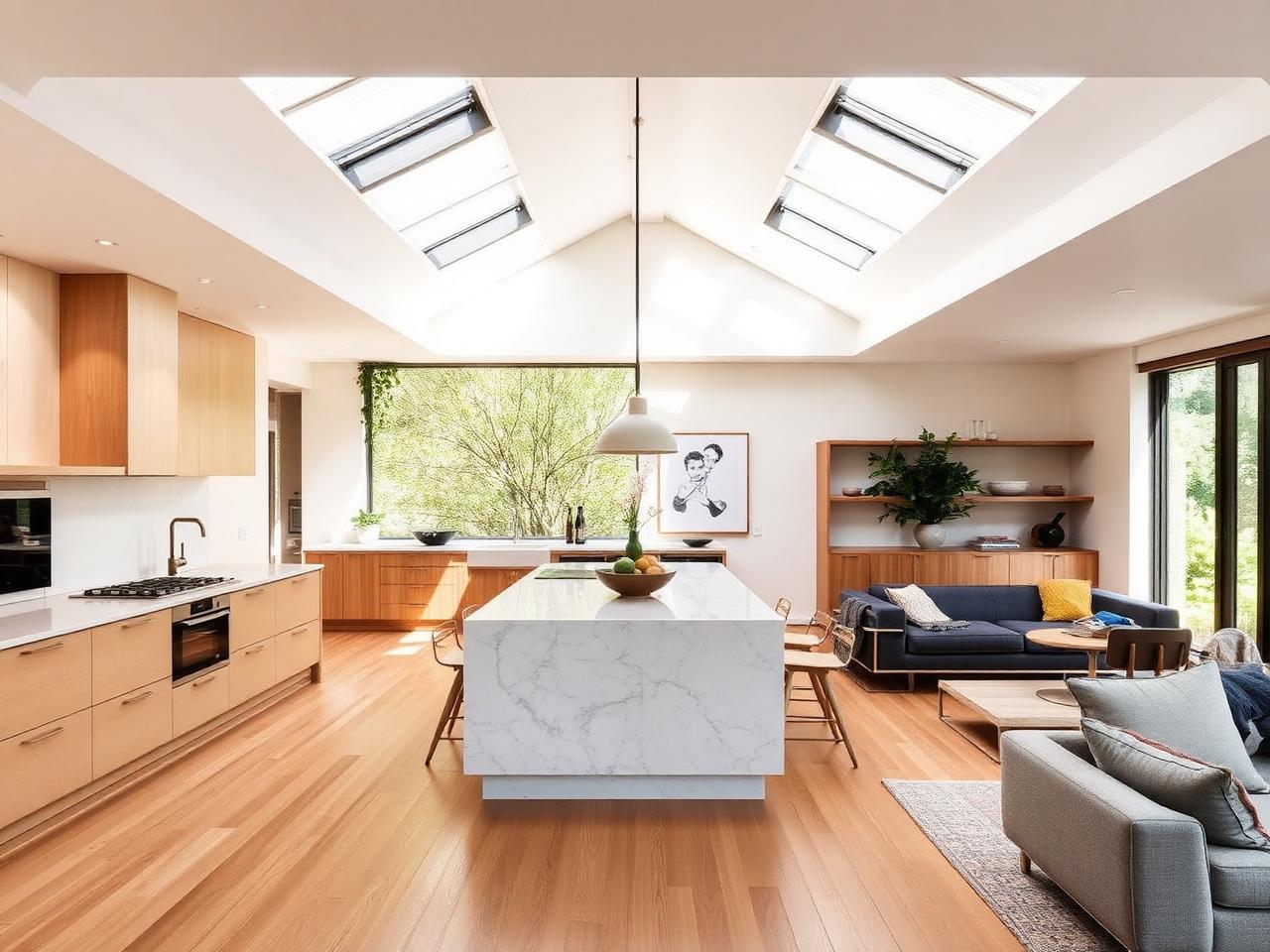
Rear extensions win on indoor-outdoor flow and northern light into living spaces. Second storeys win when you need bedrooms, you want a view, or your block can't lose any more garden. The right answer depends on your site and brief.
Council pathway
Most rear extensions and many second storeys can use CDC under the Low Rise Housing Diversity Code, but heritage and bushfire-prone sites usually need DA. We've worked across every Sydney council — talk through your specific block on the contact page.
Living in or moving out
Rear extensions can almost always be built while you stay in the existing home. Second storeys usually mean 3–6 months out of the house while the roof is off. Factor temporary accommodation into your budget.
Frequently asked
Quick answers
- Is a second-storey addition more expensive than a rear extension?
- Per square metre, yes — second-storey work typically costs 10–18% more than equivalent ground-floor extension area because of temporary roofing, structural connection and access.
- Can I live in my home during a second-storey build?
- Usually not for the full duration — most homeowners move out for 3–6 months while the existing roof is removed and the upper level is structurally enclosed.